
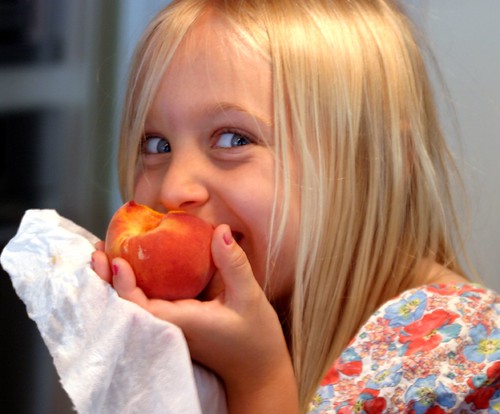
“Over the summer, my family has adopted some new eating habits. We are avoiding processed foods and sugar. Trying for a lot more whole foods and I wanted to see if you have some ideas for school lunches. The new school year is coming up and I don’t want to fall into old habits with sugary yogurts, chips and cookies.”
Habits are the essence of healthstyle. Good ones can make health and weight loss easy, bad ones can derail your most sincere dieting attempts. While habits are hard to break, once they’re formed they’re easy to keep around.
But here’s the thing about building habits:
If the healthy choices aren’t as easy and appetizing as the unhealthy ones, you probably aren’t going to stick with them.
So whatever you try, make sure it’s something you’re willing to continue doing for the entire year.
Though I do not have children and have not spent much time with them, I have been a student for the past 26 years and know a few things about toting lunch around. If you do have kids, feel free to chime in.
Healthy School Lunch Ideas
Fruits and vegetables. Make these as easy and fun to eat as possible. If your kids are resistant to fresh produce, my recommendation is to have them participate in the buying process. Make your weekly farmers market trip a family outing and explain to kids what it means for something to be in season. Show them how sweet and flavorful foods can taste when they’re at their peak and let them pick their favorites. Eating a carrot is much more satisfying when you’ve picked it out yourself. Pro tip: This trick works on adults too.
Here are some ideas for produce that can be cut, bagged and stored until lunch time: carrots, celery, cucumber, cherry tomatoes, sweet red pepper, sugar snap peas, apples, blueberries, grapes and melon.
Homemade granola. Store bought granola is usually more like dessert than a healthy snack, but you can make your own with less sugar and it is still delicious. Don’t worry about using butter if it is called for, especially for growing children. Granola can be made in big batches, is easy to store, easy to transport and is based on intact grains that are both healthy and satisfying. Put a serving into a small zip bag and enjoy.
Hummus. Hummus is a Mediterranean dip made from chickpeas that is delicious and easy to make. A small tupper of hummus is a perfect accompaniment to cut up vegetables, whole grain breads and crackers. It is also convenient because it can be made in huge batches and frozen in smaller containers. Here is my favorite homemade hummus recipe.
Cheese. In reasonable quantities cheese can be a satisfying snack. Some wonderful artisan cheeses can even be bought for reasonable prices. American cheddar is a perfect example. Just stay away from the really processed stuff at the grocery store–check the ingredients label and avoid long, scientific sounding words.
Peanut butter. Like hummus, peanut (or any nut) butter can be a wonderful dip for fruits and veggies. I know that many parents these days are hysterical about nuts, but if the idea doesn’t bother you too much it can be a very healthy snack.
The consistency of natural nut butters can take some getting used to, but I strongly recommend these over the homogenized processed kinds. Natural nut butters that have no added sugar, no added trans fat, are full of healthy fats (this is good) and must be stored in the refrigerator (real foods don’t have preservatives). If you’re new to nut butters, almond butter is a great place to start.
Trail mix. Similar to nut butters trail mix can be scary for parents worried about nut allergies, but if your child can tolerate nuts then trail mix is a fun and nutritious snack. Try different combinations of nuts and dried fruits. I’ve recently discovered the amazing dried Bing cherries at my favorite farmers market. For a special treat you can add a few small chocolate chunks, which is a better indulgence than cookies or chips.
Sandwiches. I’m not a big fan of bread (even "whole grain” bread), but sandwiches are a reasonable option on occasion. When choosing bread, look for artisan brands with few ingredients and no preservatives. This kind of bread is often found in paper bags and costs less than the fake-healthy soft stuff in plastic. You can cut up loaves and store bread in zipper bags in the freezer. To thaw, heat for a few minutes at 325 F or move to the refrigerator the night before. Healthy sandwich choices include: hummus, avocado, peanut/almond butter, soft fruit, canned Alaskan salmon, cheese, roasted chicken or turkey, egg salad, mixed veggies, etc. Try not to choose deli meats as your standard choice, since the nitrates and nitrites have been tied to all sorts of health problems. Likewise, limit canned tuna to once per month (especially for children) because of the high mercury content. Mercury can damage developing nervous systems and has been tied to lower IQ scores.
Popcorn. For a crunchy, salty alternative to chips you can try popcorn. Though the instant kind can be hit or miss in terms of health, natural popcorn is relatively healthy and can be very easy to make. Explore different spices and flavor toppings such as cheese, cinnamon, cumin, black pepper, garlic salt and other spices. You can make this a weekend project and let the kids choose their own flavors, store it in air-tight containers and use it during the week.
By Savannah Grandfather
http://summertomato.com/back-to-school-healthy-packed-lunches/


